

Description
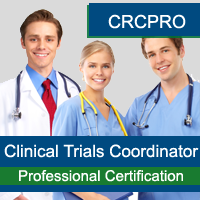
The Clinical Research Coordinator (CRC) Professional Certification Program provides a strong foundational understanding of clinical trails and all stakeholder responsibilities. This program emphasizes details of the clinical research coordinators (CRCs) duties, good documentation practice, and how to prepare for a site audit. This program includes 6 courses.
The first course in the program describes Good Clinical Practice (GCP). This is a set of internationally recognized ethical and scientific quality requirements for designing, conducting, recording, and reporting clinical trials. Compliance with GCP principles is required by regulatory authorities in many countries for the authorization of clinical trials and the acceptance of their data. The International Council for Harmonization’s guideline E6, often referred to as ICH GCP, is the international standard specification for Good Clinical Practice. This course introduces GCP and sets it in the context of typical collaborative work in clinical research. We discuss the role and goals of the International Council for Harmonization and the principles of GCP. We describe the roles of members of a team working on a clinical trial. We set out the documentation that must be created and maintained. We specify the responsibilities of trial sponsors, clinical investigators, and monitors. We explain the rationale and execution of the informed consent process and discuss issues that arise in practice. The module is fully up to date with Revision 2 of ICH GCP.
The Investigator Site Personnel Good Clinical Practice (GCP) course covers the requirements of GCP for clinical trials found in ICH E6(R2) related to the role of the investigator and site personnel, such as clinical research coordinators (CRCs), and briefly covers roles of other stakeholders.
The Good Documentation Practices and ALCOA-C course, students will learn about Good Documentation Practices, including the ALCOA-C principles, notes to file, and other general documentation procedures. Good Documentation Practices are necessary to ensure product quality and product safety.
HIPAA Training for Clinical Trial Professionals course describes HIPAA’s requirements for the use and disclosure of PHI during the conduct of a clinical trial is not simple and depends on the situation. But there is a way to use a core set of principles and questions that provide an ability to manage and facilitate the needs of all stakeholders. The regulatory authority of HIPAA and FDA agree that the two sets of regulations work well together. HIPAA does not restrict the GCP requirements of a site.
The Overview of ICH E8(R1) course describes how ICH E8(R1) is the umbrella guideline that maps to all the ICH E family, including ICH E6(R3), Good Clinical Practice. The revision modernizes clinical trial design, planning, management, conduct, and reporting and introduces the idea of quality as data being fit for purpose, which is ensuring the protection of study participants, the integrity of the data and reliability of the results, and the ability of the trials to meet their objectives.
Good Clinical Practice (GCP) inspections and audits are carried out to provide assurance that: the rights, safety and welfare of clinical trial subjects are protected; the data that constitute the results of the trials are accurate and reliable; and the trials are carried out in compliance with relevant legal requirements. This last course in this program, Preparing for an Audit or Inspection, describes what investigational medicinal product sponsors, contract research organizations and clinical investigators can expect when they undergo inspection or audit. It focuses in particular on inspection by European and US regulators. The course describes general principles of GCP inspection and audit, discusses preparation for an inspection, and sets out in detail what European and US FDA inspectors will examine. Finally it describes post-inspection actions by the regulator and the inspected party.